 Hybrid Cloud
 Cybersecurity
 AI & Data
 IoT & Connectivity
 Business Applications
 Intelligent Workplace
 Consulting & Professional Services
 Small Medium Enterprise
 Health and Social Care
 Industry
 Retail
 Tourism and Leisure
 Transport & Logistics
 Energy & Utilities
 Banking and Finance
 Smart Cities
 Public Sector

4 companies using Big Data to address Water Scarcity
March 29, 2017
Water scarcity is an increasingly serious issue.
It is estimated that by 2025, 1.8 billion people will face “
absolute water scarcity”. The
United Nations recognized the seriousness of this issue by including it as one of the
Sustainable Development Goals, aiming to have global accessible clean water and sanitation by 2030. Although there is much to be done in order to accomplish that goal in the next thirteen years, there are many innovative efforts underway to make significant strides to that end. Here are four companies creatively employing
Big Data to combat water scarcity:
1. GE
A widely recognized leader in
sustainability innovation, GE
announced in 2016 that its
Water and Process Technologies Unit would be expanding its emphasis on digital water management. GE formed a partnership with several water technology companies that will allow them to enhance their customer experience while focusing on saving water. For example, GE and its partners are working on initiatives that will help customers
monitor their water consumption habits with a goal of reducing those levels. Customers will also be able to
use the data to identify leaks and quickly address them, thereby saving water. In the company
press release announcing the partnership,
Ralph Exton, CMO of GE’s Water & Process Technologies Unit stated, “
Using data, remote control and analytics, we are working to transform the way water utilities operate, helping them run more efficiently while also improving the service and value they provide to consumers.”
 Figure 2: GE is focusing on expanding its digital water management profile (image source: GE)
One of GE’s partners in their water reduction imitative,
WaterSmart Software has been gaining international attention for their
revolutionary technology. The San Francisco-based startup was a 2016 recipient of the
World Economic Forum’s prestigious
Technology Pioneers Award for creatively tackling water problems. WaterSmart focuses on equipping water utilities with the
data analytics they need to manage their water supply. The company offers a variety of solutions, ranging from
data-based drought response plans and leak monitoring to customer usage tracking that aggregates
historical usage data and is paired with suggestions for reduction.
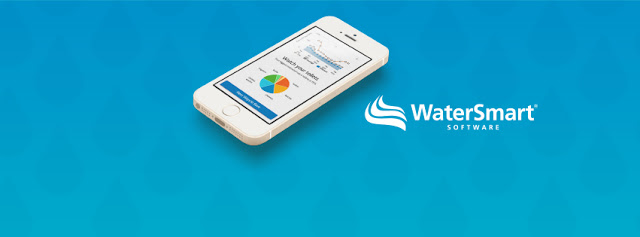 Figure 3: WaterSmart Software uses Big Data to help utilities better manage their water systems.
3. TaKaDu
TaKaDu is also a recipient of the
World Economic Forum’s
Technology Pioneers Award. The company, based out of Israel, touts itself as a pioneer in the
water network monitoring space with a goal of optimizing water use. Through a combination of
Internet of Things (IoT) technology and
Big Data analytics, TaKaDu provides whole-system monitoring for utility companies around the world. They combine
current network data with real-time monitoring in order to quickly identify any leaks, disruptions or other inefficiencies in water systems. More than just providing great customer service, this technology also allows utilities to
reduce water waste connected to these issues.
 Figure 4: TaKaDu leaders at a World Economic Forum conference.
4. Imagine H2O
Rather than focusing on a specific product,
Imagine H2O focuses on building companies that can address
water issues. Their mission is to empower people “
to deploy and develop innovation to solve water challenges globally.” To accomplish this, Imagine H2O provides educational resources, partners with industry leaders and runs a
start-up accelerator for water-minded entrepreneurs. They recently announced the twelve companies who earned a place in their second annual
Water Data Challenge cohort. These companies, selected from over 180 entries, offered innovative business models that leveraged
data-driven solutions to address water resource issues. Imagine H2O then assists these companies with resources, scaling and planning to launch businesses with a strong
social good element.
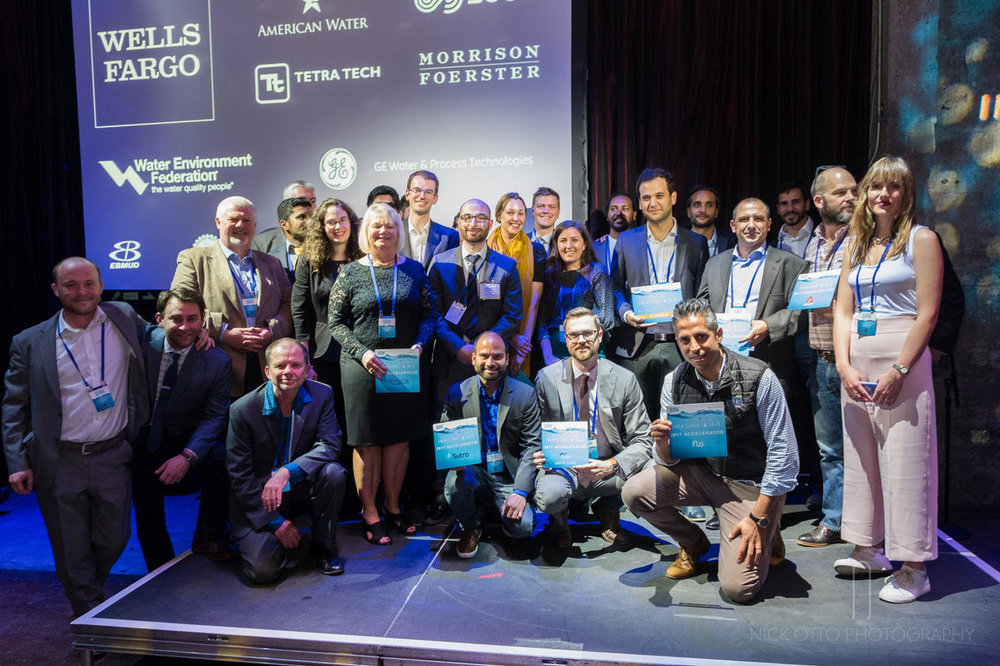 Figure 5: The latest cohort from Imagine H20's Water Data Challenge.
There are many more companies doing exciting things with
Big Data and water. This is an important issue where
Big Data can be deployed for
Social Good and we at
LUCA are excited to watch this space develop. If you would like to discover more companies working in this space, check out the
Smart Water Networks Forum (SWAN), a non-profit that serves as a facilitator for companies attempting to make
data-driven decisions about water in order to tackle serious issues like
water scarcity.