 Cloud & Business Apps
 Cybersecurity
 Data & AI
 IoT & Connectivity
 Industry
 Health
 Banking and Finance
 Public Sector
 Retail
 Tourism and Leisure
 Transport & Logistics
 Energy & Utilities
 Smart Cities
Digital Twin
What is a digital twin?
A digital twin is a virtual representation of a physical object, asset, system or process that is updated using data from its real-world counterpart. It helps businesses understand its current state, analyse its behaviour and assess how it might respond to different conditions or changes.
Digital twins support informed decision-making across the design, operation and maintenance of products, facilities and processes.
How does a digital twin work?
Digital twins draw on data from IoT sensors, control systems and other sources to update the virtual model and reflect the actual operating conditions of its physical counterpart.
Technologies such as Cloud Computing, Edge Computing, data analytics and artificial intelligence (AI) can help process this data, detect anomalies and predict how systems may behave.
What is the difference between a digital twin and a simulation?
A conventional simulation models how a system behaves under specific conditions. A digital twin goes further by maintaining a connection between the virtual model and its physical counterpart, using data to keep the model up to date.
This allows simulations to reflect real-world operating conditions rather than relying solely on predefined assumptions or parameters.
■ A digital twin allows businesses to assess the impact of changes before making them in the physical world.
How can businesses use digital twins?
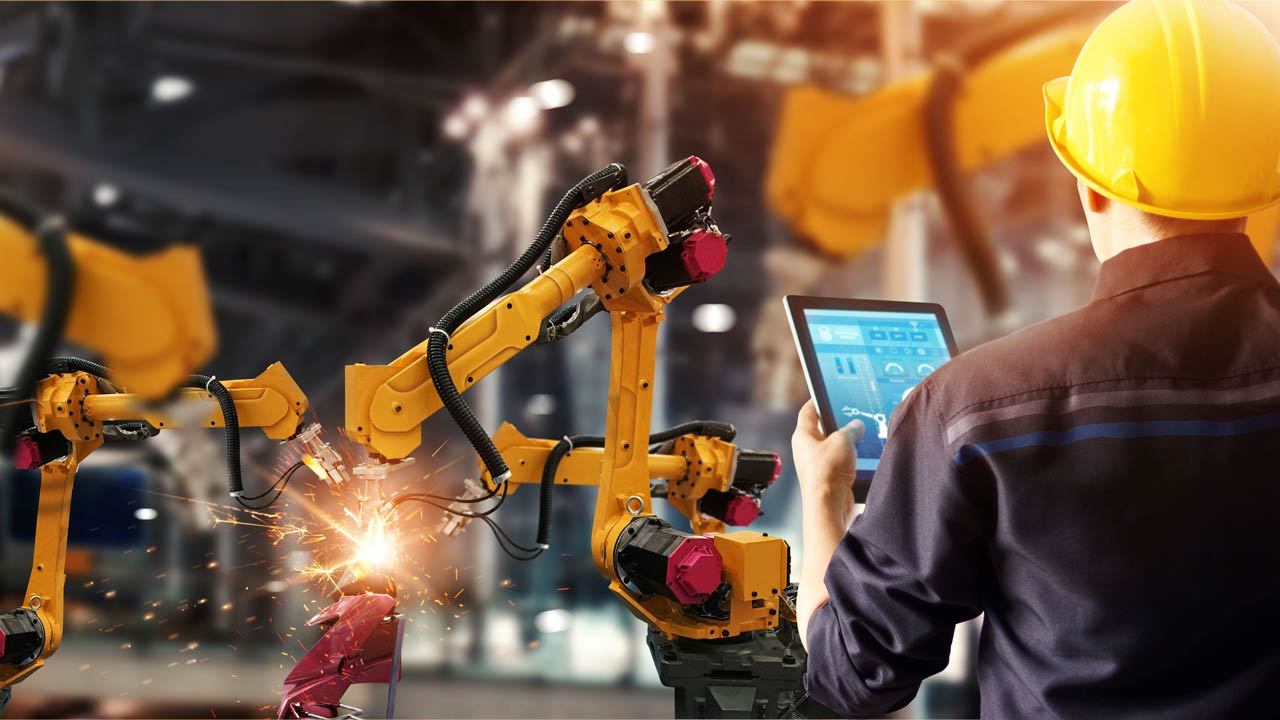
In manufacturing, digital twins can help monitor equipment performance, predict potential failures and assess changes to production processes. In the energy sector, they can be used to analyse facility operations and optimise energy consumption. In logistics, they help identify bottlenecks and evaluate different operational scenarios.
By enabling businesses to test alternatives and anticipate problems, digital twins can improve operational efficiency while reducing the risks associated with implementing changes in the real world.