 Cloud & Business Apps
 Cybersecurity
 Data & AI
 IoT & Connectivity
 Industry
 Health
 Banking and Finance
 Public Sector
 Retail
 Tourism and Leisure
 Transport & Logistics
 Energy & Utilities
 Smart Cities


Women in Cloud: six voices connecting technology, business and female talent
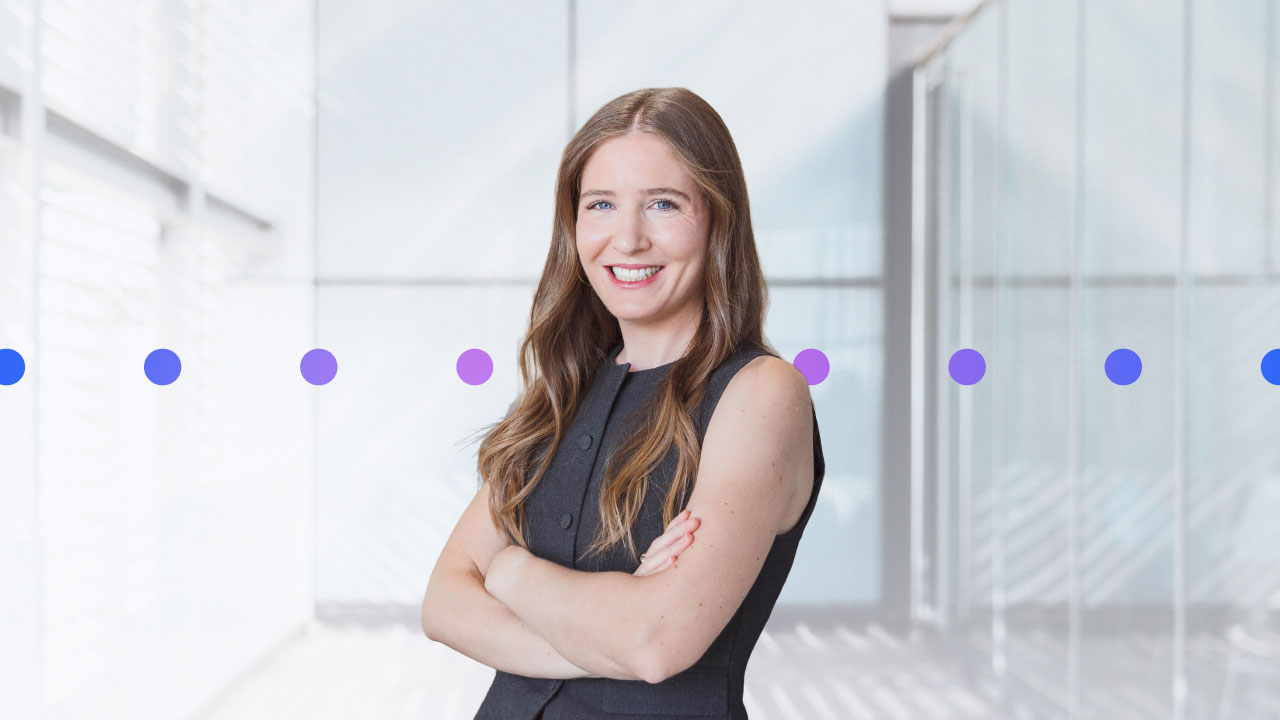
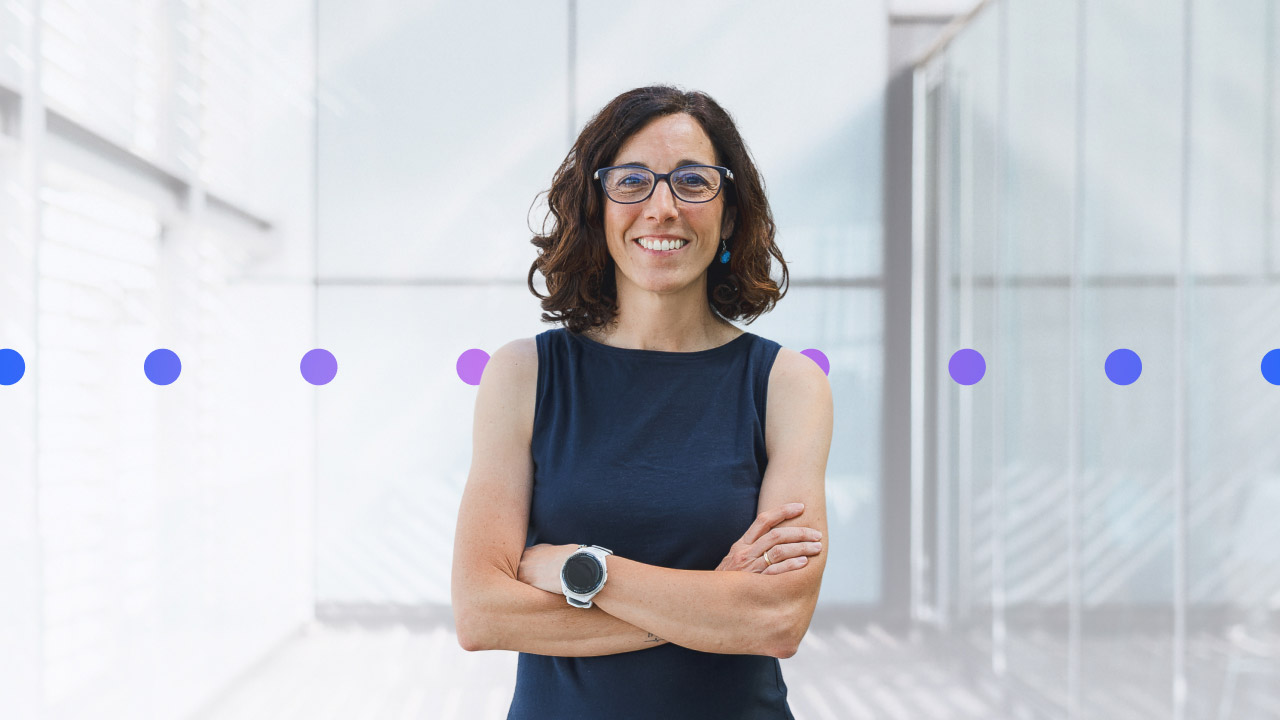
Six Telefónica Tech professionals share their experience across different Cloud specialisms, what they have learned and their advice for building a career in the sector. In the photo above, from left to right: Cynthia Conesa (Delivery); Silvia García Nieto (Hybrid Cloud, App Modernization, Containers & FinOps); Silvia Valladares (Enterprise Cloud Collaboration & UCaaS); Ana Jiménez Garayoa (Public Sector Cloud & Cybersecurity Presales); Raquel Redondo (Platform Operations, IaC, Kubernetes, SRE & DevOps); and Vanessa Bermejo (Project Management).
______
Modernising an application, keeping a public service available or enabling collaboration requires understanding the customer and supporting them beyond implementation. To explore how these challenges are approached from different specialisms, we spoke to six professionals from our Cloud and Business Apps area.
We also asked what led them to specialise, what they have learned and what advice they would give to those starting out. Their stories bring us closer to role models in a field where women account for 12% of professionals, according to United Nations data.
Designing a Cloud solution around customer needs
Ana Jiménez Garayoa, a telecommunications engineer, has built her career in presales: she analyses customer needs and prepares proposals that combine technology, financial analysis and customer strategy. Her responsibilities in Cloud span both the public and private sectors, where she encounters different realities and opportunities to learn.
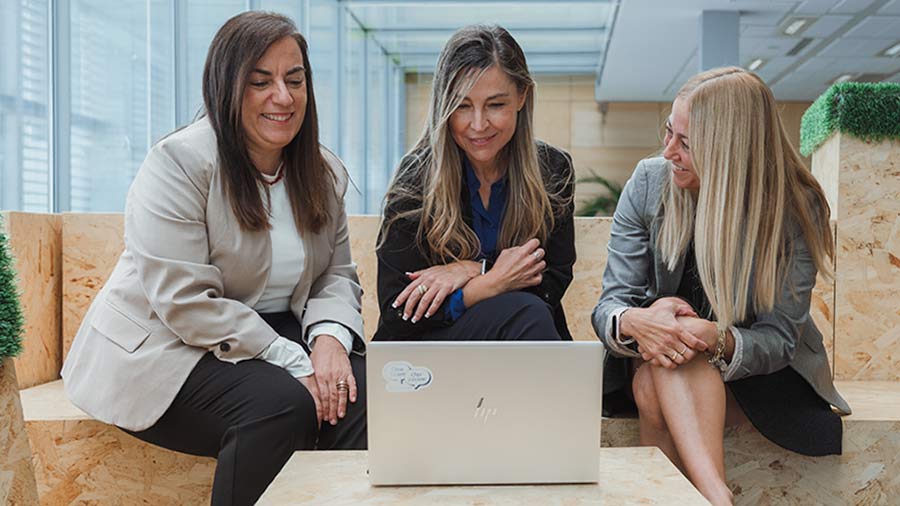 Ana Jiménez Garayoa (left) with Cynthia Conesa and Raquel Redondo.
When talking about the public sector, Ana explains that many public administrations began their move towards the Cloud with systems organised separately, or in silos, hosted in their own data centres and with operations heavily dependent on manual intervention. Moving forward requires automating tasks, reviewing processes and supporting teams through the change, with continuity of public services as a requirement.
Security, data sovereignty and regulatory compliance shape how this evolution is approached. "In presales, we need to approach Cloud and Cybersecurity as a single architectural and business decision," she says.
When defining the architecture, operations and cost of a proposal, Ana takes these requirements into account. To integrate Cloud and Cybersecurity from the design stage, she works with our specialists in this area. She also stresses the importance of defining responsibilities clearly: "It is just as important to establish who manages the controls, how they are monitored and how incidents are handled as it is to define the controls themselves."
Modernising applications and managing Cloud spend
Businesses need to adapt quickly. This is how Silvia García Nieto, who specialises in hybrid Cloud, application modernisation, containers and FinOps, describes the challenge: "The applications that support the business need to be able to add new functionality extremely quickly." They also need to adjust resources to demand.
To meet this need for agility, Silvia points to how containers and serverless architectures, where the provider manages the servers, contribute to this modernisation. Doing so requires specialist expertise and a proven methodology.
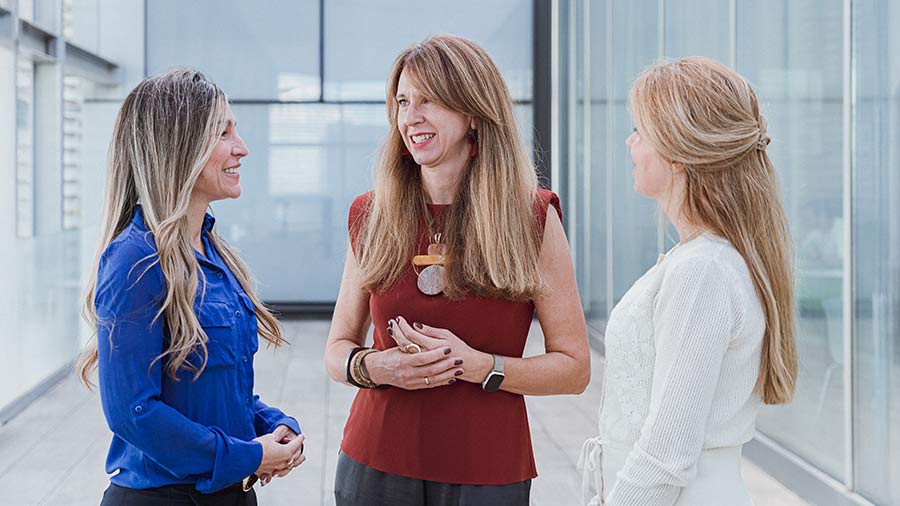 Silvia García Nieto (centre) with Cynthia Conesa and Vanessa Bermejo (right).
When multiple Cloud environments coexist with an organisation's own infrastructure, she advocates a common model for management and service delivery covering planning, transformation, operations and continuous improvement. Information from these environments should help align decisions with business needs.
When it comes to financial management, she stresses that FinOps is about maximising the business value derived from Cloud consumption. Resources freed up through cost optimisation can be reinvested in modernising applications or bringing new functionality to market faster.
When Silvia first began working with Cloud, as its use was starting to become more widespread in business, she was drawn to the fact that companies with limited investment capacity could access new technologies and experiment while keeping financial risk under control. That is where her interest in the possibilities technology opens up for business comes from.
Integrating communications into everyday work
Calls, meetings and teamwork show how Cloud communications are integrated into companies' day-to-day operations. In this area, Silvia Valladares manages unified communications and collaboration products. A telecommunications engineer, she started out in 2012 and moved from technical roles into product management. She has been part of the evolution from telephony to Cloud services and emphasises the importance of ensuring that solutions fit into everyday work.
"I think the main challenge is integrating communications into business processes and making sure companies genuinely take advantage of the capabilities of the platforms they already have in place," she explains.
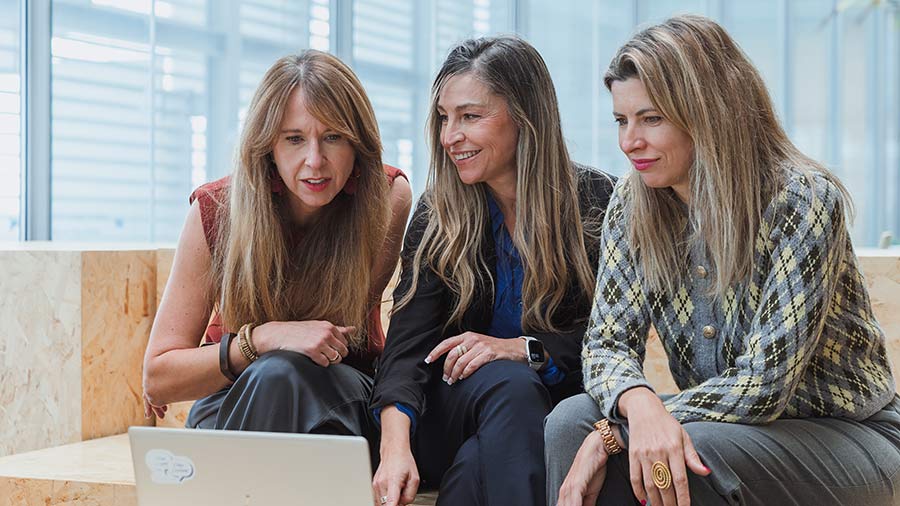 Silvia Valladares (right) with Silvia García Nieto and Cynthia Conesa (centre).
Within unified communications and collaboration platforms, Silvia highlights AI features that simplify everyday tasks and improve productivity. Examples include summarising and transcribing meetings, capturing what has been agreed and identifying outstanding actions.
In voice communications, she also highlights the potential of AI assistants and agents to handle calls, answer queries or carry out certain tasks autonomously. She notes that these capabilities are still evolving and that their adoption requires organisations to validate their reliability, integration with business processes and user experience.
In her experience, ease of use is becoming increasingly important alongside cost, security and technical capabilities. Integrating tools into everyday work and supporting users helps organisations get more from their investment.
Cloud projects: coordinating teams and managing change
Change management is one of the main challenges in projects for Vanessa Bermejo, who leads our Cloud Projects and Business Applications teams. An industrial engineer with more than 25 years of experience, she has worked across engineering, operations, transformation, strategy and technology leadership.
Coordinating vendors, specialists and teams means establishing shared priorities. "Our role is to ensure transparent and continuous communication, aligning expectations with capabilities, priorities and business objectives," she explains.
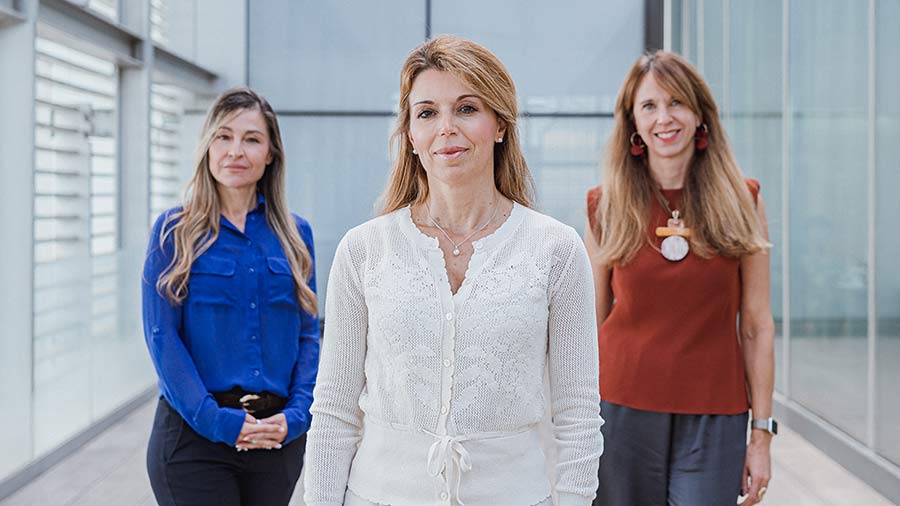 Vanessa Bermejo (centre) with Cynthia Conesa and Silvia García Nieto (right).
If requirements change during implementation, she advocates reviewing priorities with the business and technology teams and adjusting the project quickly, without losing sight of its objectives. Success is not just about sticking to the original plan, but about delivering value incrementally and responding to change. To do that, she stresses the importance of defining responsibilities, being clear about how decisions are made and maintaining constant communication.
Managing change and unexpected events has also transformed her approach to leadership, moving from an initial emphasis on planning and control towards greater trust and dialogue, and giving teams the autonomy to deal with them.
From design to implementation: adapting the solution to the customer
Turning a design into something that works in the customer's environment and ensuring the day-to-day operation of Cloud services is the role of Cloud Delivery, the area led by Cynthia Conesa. She began her career in communications and worked in technical support and team management before moving into Cloud in 2013.
"Everything can work on paper; the challenge is making that design work in the customer's actual environment."
When moving from design to implementation, Cynthia explains, even a technically sound solution may need to be adjusted to fit the customer's processes and systems. Difficulties can arise from insufficient information about dependencies between systems, the capacity and availability of teams or the change windows allowed by the business.
 Cynthia Conesa (right) with Ana Jiménez Garayoa.
Cynthia advocates involving implementation and operations teams from the outset, testing assumptions and validating critical aspects with the customer. This makes it possible to assess the impact of adjustments, agree what needs to change and in what order, and plan around both the customer's capacity and our own, with clear responsibilities and coordination across design, implementation and operations.
The outcome should be measured against what the customer needs to improve: stability, agility, simpler day-to-day work or cost predictability. "For me, delivering value also means making life easier for the customer: being attentive, anticipating problems and suggesting improvements before they have to ask," she says.
Cynthia's interest in technology has personal roots: she and her brother shared a curiosity for discovering and trying new things and understanding how they worked. Today, customer satisfaction, the pride her team takes in its work and learning are what motivate her. Over the course of her career, she has learned to listen, give people space and adapt the way she communicates to each person.
Updating and automating without compromising reliability
Raquel Redondo, who leads our platform, DevOps, SRE and Kubernetes teams, works on service automation and reliability to balance ongoing evolution with stability once services are in production.
She joined our company in 1999, managed email within collaboration services and later worked with provisioning and after-sales applications. Innovation and learning have guided her career.
When working with containers, she says, what happens after applications go live is often underestimated: security, updating them without disrupting the service and detecting problems early. Addressing these issues requires preparing the team and defining responsibilities.
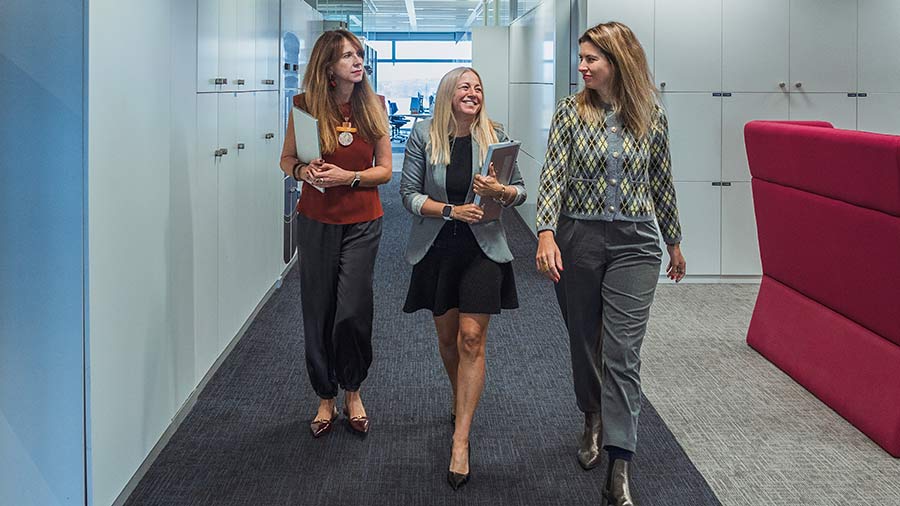 Raquel Redondo (centre) with Silvia García Nieto and Silvia Valladares (right).
In her experience, integrating automation requires shared processes and an understanding of how the market is evolving. To speed up change without sacrificing stability, she recommends "making small changes, with automated tests and a quick way to roll back".
Raquel believes the level of reliability a service needs should be agreed with the customer. If changes compromise that reliability, she advocates prioritising stability before introducing new features.
Women in Cloud: role models and career opportunities
These six experiences show different ways of contributing to Cloud and raise two questions: how can we connect more women with these opportunities, and what can help those starting out find their own path?
Ana advocates introducing girls to technology from an early age and showing them role models: "There are many different roles where technical skills, creativity, communication and business insight all have a place."
Silvia Valladares argues that stereotypes should not be allowed to shape academic and career choices. Silvia García Nieto, meanwhile, highlights women who have established themselves in the sector as important role models.
Cynthia illustrates the connection between infrastructure and everyday life with examples such as the availability of an emergency service or a healthcare professional being able to view an X-ray. "We need to explain that connection between our work and people's lives," she says.
Vanessa reminds us of our responsibility to provide development opportunities and inclusive environments. Raquel advocates personal networks that bring young women into contact with women already working in the sector whom they can identify with: "I can see myself there too."
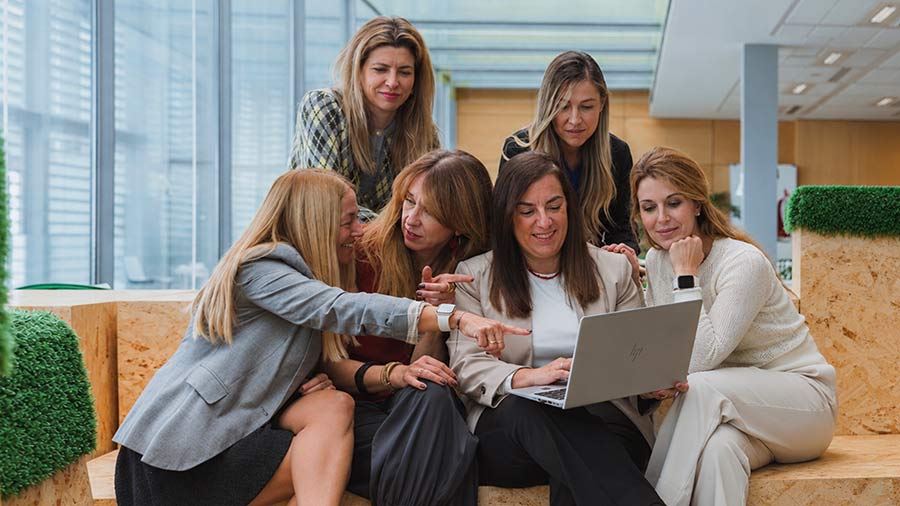 From left: Raquel, Silvia Valladares, Silvia García Nieto, Ana, Cynthia and Vanessa.
Advice for starting a career in technology
Ana reminds us that learning is part of the job: "Technology evolves so quickly that nobody knows everything, and what matters is wanting to learn and keep growing." Vanessa recommends developing leadership skills as well as technical capabilities, while also looking for role models, mentors and a support network.
Silvia Valladares focuses on choosing a specialism that you find stimulating. She encourages people to explore the options without allowing other people's expectations to determine their decision: "Choosing a career is an important decision because we spend a significant part of our lives working, and it is worth finding something that we find stimulating."
Knowing women who already work in technology makes it easier to imagine a path of your own; opportunities, learning and confidence help you start following it.
Trusting your own abilities is another important starting point. Silvia García Nieto believes that, although there is still work to be done, more and more companies recognise the contribution women make and are backing them. Raquel's advice to those starting out is to "take on challenges and never get too comfortable", an attitude she also identifies as one of the lessons she has learned throughout her career.
Cynthia's advice is to take on a challenge without waiting until you feel completely ready. She has seen newly qualified women turn down opportunities because they believe they lack experience. She reminds us that "experience is built by taking steps forward, asking questions and having the confidence to contribute".
We began by talking about technology and business challenges, but in listening to these six professionals we have also learned about the decisions, lessons and collaboration behind them. Their careers show that there is no single way to contribute to Cloud and no single path to grow in technology.
______