 Cloud & Business Apps
 Cybersecurity
 Data & AI
 IoT & Connectivity
 Industry
 Health
 Banking and Finance
 Public Sector
 Retail
 Tourism and Leisure
 Transport & Logistics
 Energy & Utilities
 Smart Cities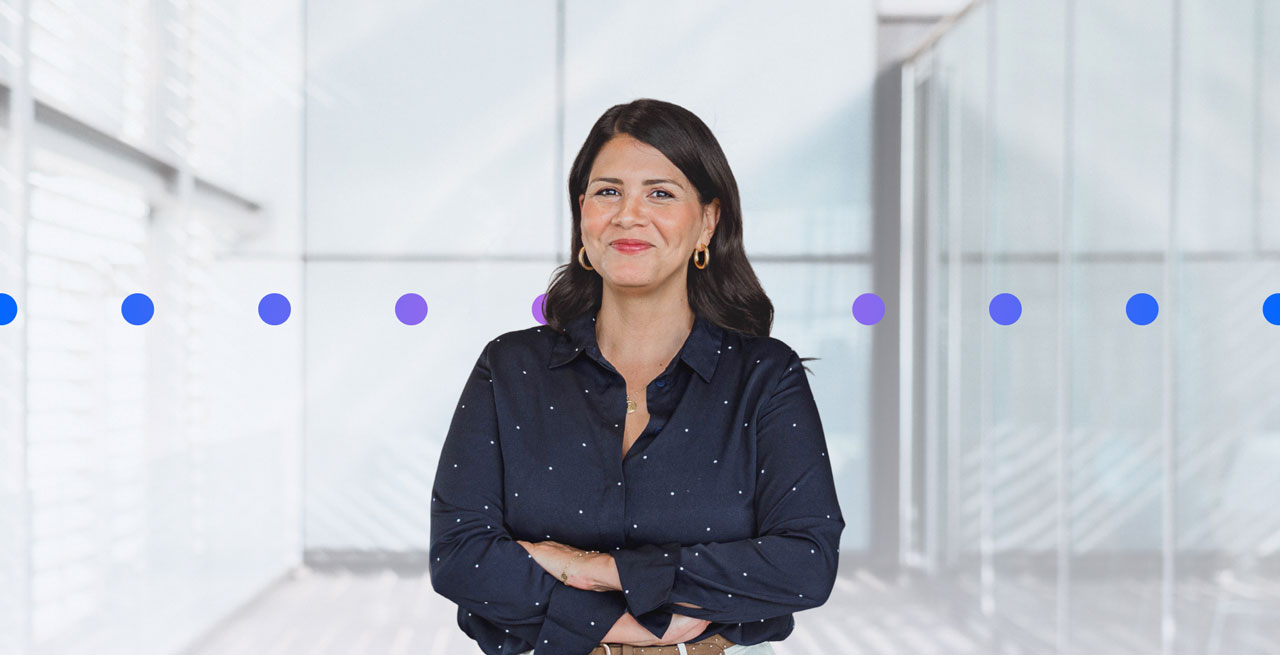

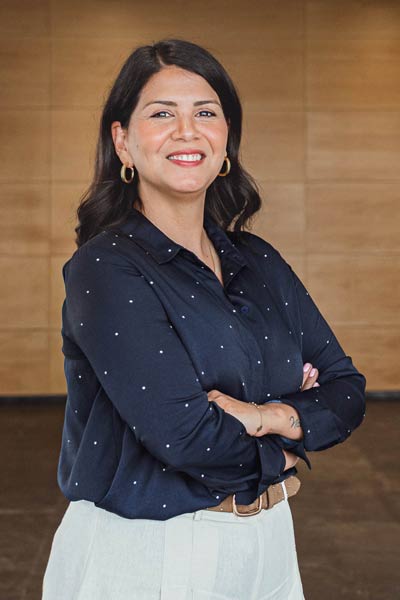
#WomenInTech: Rosany Silva on connecting partners, business and customers
What do you do, and what path brought you here?
In Partnerships, I lead the strategy for our key partners in the market. It's a role I'm passionate about because it has allowed me to develop a wide range of skills in a short space of time, understand the business from a broader perspective and, above all, contribute directly to its evolution and growth.
If I had to sum up what has brought me here, I'd say it has mainly been a desire to learn, curiosity and a drive to keep evolving. I've also been fortunate to work at a company surrounded by people who have given me opportunities to explore different paths and develop my potential.
What has brought me here is a desire to learn, curiosity and a drive to keep evolving.
What is the main challenge for a partnerships professional at a technology company like Telefónica Tech?
The main challenge is making sure that the partnership generates real business and value for everyone involved.
In our day-to-day work, we work with global Cloud, Artificial Intelligence, Cybersecurity, Data and IoT vendors. Each partner has its own objectives, programmes, requirements, commercial models, contracts and success metrics. Our job is to align those interests with Telefónica Tech's strategy and turn a partnership into tangible opportunities for customers and results for the company.
Partnerships is also a cross-functional role. We have to coordinate sales, presales, product, marketing, operations, procurement, finance, compliance and legal teams, making sure everyone is moving in the same direction. Often, the challenge isn't technological but organisational: unblocking contracts, managing regulatory matters, negotiating discounts and incentives, driving certifications or making sure a new solution reaches the market at the right time.
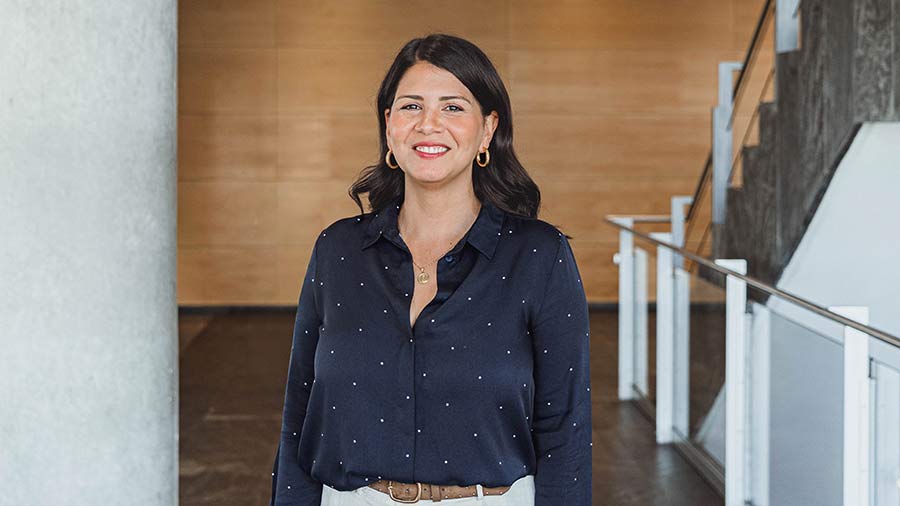
The challenge is to align our partners' interests with Telefónica Tech's strategy and turn the partnership into tangible opportunities.
Another major challenge is speed. The market is evolving very quickly, particularly in areas such as Cloud, AI and digital sovereignty. We need to identify new opportunities, continually assess the partner ecosystem and be able to activate partnerships that help our customers address specific challenges.
That's why, for me, success in our role is measured by our ability to connect strategy, business and execution. It's not just about managing relationships with vendors, but about building an ecosystem that accelerates the company's growth and creates genuine business opportunities.
What are the key factors in building strong partnerships that stand the test of time?
A strong partnership starts with a shared vision and a common purpose: being clear about what we want to build together and what distinctive value we can create that would be difficult to achieve independently.
From there, trust, commitment and the ability to evolve together are key. In such a fast-changing technology landscape, the partnerships that endure and continue to innovate are those where both companies maintain a long-term vision, align their capabilities and interests, and are able to turn that shared vision into sustainable growth and results for both sides.
A strong partnership starts with a shared vision and a common purpose.
What qualities make the difference when it comes to building lasting partnerships between technology companies?
In this sector, every partnership starts with innovation and technology: they're the catalyst that creates the need for two companies to generate business together.
Building on that foundation, I'd add three key qualities: a shared vision for building the future together, flexibility to adapt the collaboration model as the market or each company's priorities change, and the ability to execute.
Technology creates the need to generate business together, but vision, flexibility and execution are what make the difference.
And at a time when AI is transforming the way we work, which of these human skills do you think will be the most valuable and hardest to replace?
I don't think there's a single answer, but for me critical thinking and creativity are key today; in fact, they're part of what sets us apart as humans.
I recently read about a company that was developing AI agents to negotiate directly with its suppliers and secure better terms. I found it interesting because it reflects where all this is heading: our role will become less and less focused on operational or repetitive tasks (such as certain more mechanical negotiations), allowing us to spend more of that time on higher-value decisions, with AI as an enabler.
That's where critical thinking comes in: interpreting the context, challenging AI's answers and making sound judgements; and creativity, to find solutions or approaches that don't emerge from patterns we already know, which is precisely what a machine finds harder to generate from scratch.
AI frees us from operational tasks, but anything that requires judgement, context and vision remains human territory.
What lessons about leadership have you learnt from your experience of building strategic partnerships?
For me, the biggest lesson has been the importance of building a team. In strategic partnerships, particularly when you're working with multidisciplinary and global teams, it's essential to provide context, create space to innovate and create, and move towards the same goal, with everyone contributing their own expertise. That's where the magic happens! I've seen teams deliver projects that seemed impossible.
When you align talent, capabilities and purpose, teams can deliver projects that seemed impossible.
 You've recently expanded your responsibilities into Data and AI. What continues to motivate you to take on new challenges after an established career in the industry?
I'm delighted to keep learning and evolving. Even after building an established career, what continues to motivate me is precisely that desire to learn, contribute and take on new challenges.
Data and AI offer me a huge opportunity to continue growing, and also to put my experience to work in new areas and build partnerships that help our customers make progress with their transformation challenges.
What continues to motivate me is learning, contributing and taking on new challenges.
Alongside your professional role, you've been involved in mentoring and training initiatives. What have you learnt from supporting other people's development, and what do those experiences give you?
Yes, it's a really rewarding part of what I do. I take part as a facilitator in Telefónica's leadership programme for the company's 'Top Talents' globally, where we support colleagues in developing their potential from within and turning that into an action plan.
I'm also a mentor in other programmes and initiatives where women in technology come together to strengthen our capabilities.
Supporting other people's development helps bring out their potential from within and strengthen shared capabilities.
Many young women think that working in technology requires a technical academic background. You come from marketing and business. What would you say to those who don't identify with that technical profile but are curious about the industry?
Machado said that “the path is made by walking”, and that idea fits the world of technology very well: you don't need to start out with a technical degree to learn, evolve and add value in the industry.
Many leading figures, both women and men, come from other academic backgrounds and have complemented them with continuous learning and up-to-date knowledge. For example, I studied marketing, and I have colleagues from law and other fields who bring value from different perspectives. And you can also build technical expertise around your own interests and goals. If you're curious, don't overthink it: we'd love to have you!
You don't need to start out with a technical degree to learn, evolve and add value in technology.